


It is important to understand and discuss the risks of drug dependence with your prescribing doctor. Dual diagnosis treatment is designed for individuals with co-occurring mental health disorders and addiction. Many people with depression, PTSD, anxiety, or bipolar disorder turn to substances as a form of self-medication, leading to worsened symptoms and addiction. Behavioral dependence definition addiction, or process addiction, refers to compulsive behaviors that interfere with a person’s daily life and well-being.

dependent

The word “dependent” is used in multiple scenarios, each reflecting its core theme of reliance or contingency. In severe cases of intoxication or overdose, a person may require emergency care. Dependence can happen with many drugs, even when a person takes them as per their doctor’s instructions. In summary, dependant can be used for the noun in either British or American English, but dependent for either noun or adjective is a safe choice in American English.
Discuss these dependence definitions with the community:
Yes, you can recover from addiction without professional help, but the process is challenging. Self-recovery requires strong willpower, personal motivation, and a solid support system, such as family and friends. Over time, long-term addiction causes physical health deterioration, such as liver damage, heart disease, respiratory issues, and neurological problems. A study by He J et al. 2022, titled “Does Childhood Adversity Lead to Drug Addiction in Adulthood? Contact us today to schedule an initial assessment or to learn more about our services. Whether you are seeking intensive outpatient care or simply need guidance on your mental health journey, we are here to help.
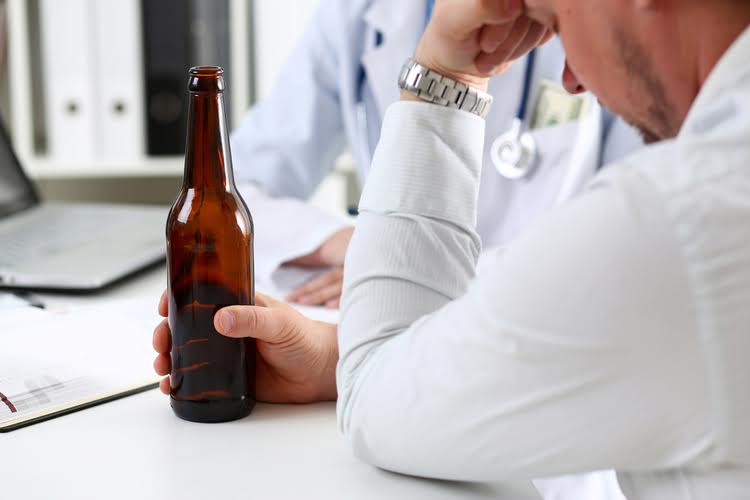
When should I see my healthcare provider about addiction?
Two people, once dependent on the same medication, have taken very different paths. So, what exactly is addiction, and why does it happen to some people but not others? Prevention efforts and treatment approaches for addiction are generally as successful as those for other chronic diseases.
- Contact us today to schedule an initial assessment or to learn more about our services.
- A person may develop tolerance to a drug if they use it for a long time.
- Whether you are seeking intensive outpatient care or simply need guidance on your mental health journey, we are here to help.
As a noun, “dependent” describes a person who relies on another individual for financial, emotional, or physical support. Distinguishing between these concepts is essential in recommending the right treatments. Addiction recovery can involve addressing both physical and psychological health. Doctors may also prescribe certain medications to manage dependence and addiction. When addiction to a substance develops, it is called substance use disorder. The terms “addiction” and “dependence” can seem similar, but they are different.
Drugs, Brains, and Behavior: The Science of Addiction
In these cases, treatment involves gradually tapering off the drug over a set period to reduce withdrawal effects. Psychological dependence, or addiction, goes beyond physical symptoms, driving uncontrollable cravings and drug-seeking behavior despite adverse consequences. While dependence occurs with medications like opioids without addiction, addiction reflects a deeper loss of control driven by changes in brain chemistry.
- One of the brain areas still maturing during adolescence is the prefrontal cortex—the part of the brain that allows people to assess situations, make sound decisions, and keep emotions and desires under control.
- Substance addiction, also known as substance use disorder, occurs when individuals develop a physical and psychological dependence on drugs or alcohol.
- Addiction is diagnosed by medical professionals using clinical assessments, screening tools, and the DSM-5 criteria for substance use disorder (SUD).
Outpatient Alcohol Rehab in Columbus, Ohio: Definition, How it Works, Types, Benefits, Treatment Approaches, Cost
Occasional drug use, such as misusing an opioid to get high, can have similarly disastrous effects, including impaired driving and overdose. Another adjective use of “dependent” is to describe a situation or condition that relies on or is influenced by external factors. This meaning is common in logical, scientific, and financial contexts. Recognizing the differences between dependence and addiction is crucial for tailoring effective treatment and recovery strategies. It occurs when a person has difficulty stopping substance use or engaging in a behavior that provides some type of benefit. The French-derived dependant, however, still has life across the pond—as a noun.
Find Similar Words
Psychological conditions that increase the risk of addiction include anxiety, depression, PTSD, and other mental health disorders, as these conditions drive individuals to use substances as a form of self-medication. People struggling with mental health issues turn to drugs or alcohol to manage their symptoms, which leads to the development of substance use disorders (SUDs). Genetics and biology influence addiction by shaping an individual’s vulnerability to substance use disorders through hereditary risk, brain chemistry, and genetic variations. Research by the National Institute on Drug Abuse (NIDA) suggests that genetic factors account for approximately 40–60% of a person’s risk Twelve-step program of developing addiction. Variations in dopamine receptors (such as the DRD2 gene) affect the brain’s reward system, making some individuals more prone to compulsive behavior and substance dependence. The best treatment options for addiction are medical detoxification, rehabilitation programs, psychotherapy, medication-assisted treatment (MAT), 12-step programs, holistic therapies, and dual diagnosis treatment.
